Prosek to speak to support Aspetuck Land Trust

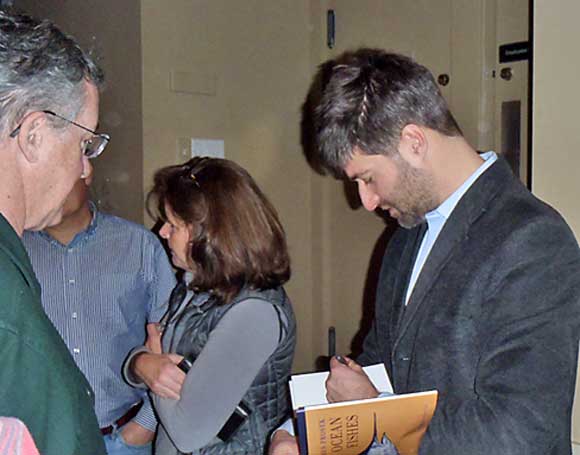
James Prosek signs copies of his book "Ocean Fishes" at Nutmeg TU's holiday party last December. A documentary on eels by the local resident will premiere on the PBS series "Nature" Wednesday, April 17.
James Prosek signs copies of his book “Ocean Fishes” at Nutmeg TU’s holiday party last December. A documentary on eels by the local resident will premiere on the PBS series “Nature” Wednesday, April 17.

Artist, angler and conservationist James Prosek will speak at the Aspetuck Land Trust’s Caryl and Edna Haskins Lecture on Tuesday, April 6, at 7 p.m. at the Westport Public Library.

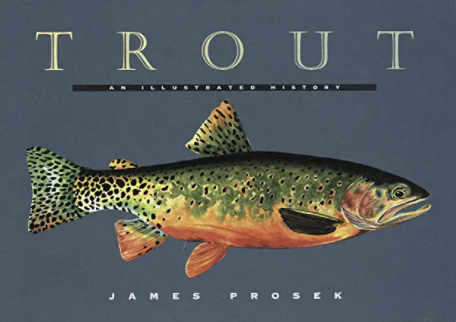
In 2022 the Aspetuck Land Turst is focused on the acquisition of 19 acres of Easton’s South Park property adjacent to the Warner Anglers Preserve. The importance of this property next to the Mill River, a Class 1 trout stream, one of only nine in the state, is not lost on this year’s Haskins Lecture special guest speaker James Prosek, who was only 19 and a student at Yale when he published Trout: An Illustrated History.

Trout: an Illustrated History, (Alfred A. Knopf) featured seventy of his watercolor paintings of the trout of North America,  and is widely recognized as having brought attention to the existence and plight of native trout. 11 books followed for adults and children alike including Art, Artifact, Artifice, (Yale University Art Gallery) Ocean Fishes, (Rizzoli) Bird, Butterfly, Eel, (Simon and Schuster Books) , Eels: An Exploration, from New Zealand to the Sargasso (Harper) and as well as articles for The New York Times and National Geographic Magazine.

Click here to buy tickets to the April 6 lecture.

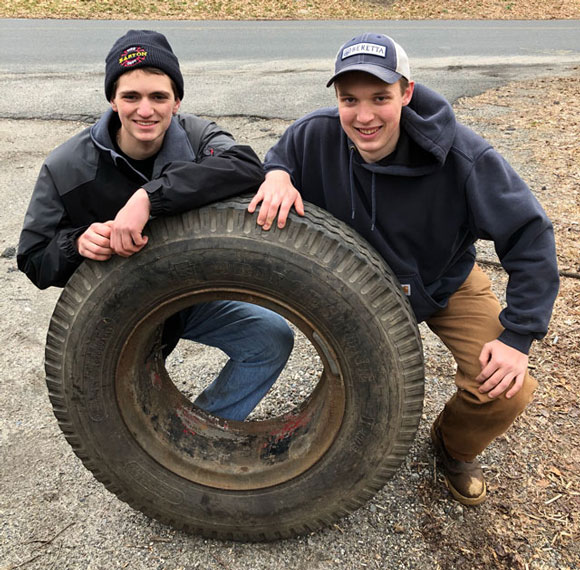
Easton teens and Joel Barlow High School seniors Stephan Dow and Michael Waugh recently organized an led a cleanup of the Mill River. — Easton Courier

Easton teens clean Mill River

Easton teens and Joel Barlow High School seniors Stephan Dow and Michael Waugh recently organized an led a cleanup of the Mill River. — Easton Courier

Two teenagers from Easton, both fly anglers and members of the Nutmeg Chapter of Trout Unlimited, recently organized a cleanup of the Mill River.

Stephan Dow and Michael Waugh, with volunteers the recruited and led, removed some 360 pounds to trash from the river.

Click here to read a story from The Easton Courier.

Nutmeg TU thanks Stephan and Michael for their efforts.


Grant to help restore Mill River

The Nutmeg Chapter of Trout Unlimited has received a grant for restoration of the Mill River and been entered in the Embrace A Stream Challenge, a new online contest sponsored by Orvis and Trout Unlimited. From Nov. 6-12, the chapter has a chance to win its share of $50,000 in cash prizes to help fund the Mill River Conifer Revetment Project, an initiative to restore the Mill River in Fairfield County.

In early October, the Nutmeg Chapter received an $670 grant from the Embrace A Stream program to support removal of invasive species and shoring up of the banks of the Mill River near the Easton-Fairfield border, along Congress Street in Fairfield.

From Nov. 6-12, anyone who visits embraceastream.org and makes a donation of as little as $10 to support Nutmeg TU’s work will help it unlock prizes ranging from $250 to $5,000. Nutmeg TU is competing in this contest with more than 40 other Trout Unlimited chapters from across the country.

“We’re excited to have the chance to raise even more money to restore and improve the Mill River in the Embrace A Stream Challenge,” said Rich Rosen, Nutmeg TU president. “But we need the help of all of our community members to win. If you care about clean water, and share our love for the Mill River, please help our more than 300 local members and volunteers by donating to this important project.”

The Mill River Conifer Revetment Project will focus on a section of stream that runs along Congress Street in Fairfield, where the river is more than 40 feet wide in some places, when it should average 15 feet. TU volunteers and their partners will narrow the stream channel and stabilize the banks using conifer revetments to prevent future erosion and ensure that the stream at the site and downstream can support excellent trout habitat.

The Mill River is currently home to some of the highest densities of wild and native trout in the state, but TU and other experts believe that the fishery can support even more trout with habitat improvement. Pending before state officials is a regulation change that would make the stretch a catch-and-release only area dedicated to wild trout.

The site is near the Merritt Parkway and a heavily used service area, and frequently needs litter removal in addition to replacing invasive species with native fauna, which Nutmeg TU has been doing, in cooperation with the Town of Fairfield, for four years.

Embrace A Stream is a matching grant program administered by Trout Unlimited that provides funds to local chapters and councils for coldwater fisheries conservation. Since its inception in 1975, the grant program has funded more than 1,000 individual projects for a total of $4.4 million in direct cash grants. Local chapters and councils contributed an additional $13 million in cash and in-kind services to EAS funded projects, for a total investment of more than $17 million. The Embrace A Stream Challenge is a new national online contest sponsored by Orvis and Trout Unlimited to connect people who care with a chance to support improvements to the rivers and streams in their communities.

“This year, more than 40 local Trout Unlimited chapters from across the country have brought forward plans to take care of the rivers that they love to fish,” said Russ Meyer, chairman of the Embrace A Stream grants committee, a group of Trout Unlimited volunteers who review and approve all grant applications. “The Embrace A Stream Challenge gives everyone in your community the chance to join us in supporting this important local project.”

The Nutmeg Chapter of Trout Unlimited serves more than 300 members in Southwestern Connecticut. Nutmeg TU works with partners to restore local rivers, engage area youth in outdoor education and protect trout streams that are a mere stone’s throw from Manhattan, specifically the towns of Fairfield, Westport, Weston, Easton,  Redding, Trumbull, Monroe, Bridgeport, Stratford, Milford and Shelton.

Nutmeg TU meetings are held the third Tuesday of every month, September through May, at Port 5, 69 Brewster St., in the Black Rock section of Bridgeport. They are open to the public free of charge. The Nov. 21 meeting features Greg Myerson, who holds the world record for the largest striped bass.

Trout Unlimited is the nation’s largest coldwater conservation organization, with more than 300,000 members and supporters dedicated to conserving, protecting, and restoring North America’s trout and salmon fisheries and their watersheds. Visit TU online at tu.org.
HELP SAVE THE MILL RIVER IN EASTON, CT

Help Save The Mill River in Easton, CT – By Scott Garland, January 7, 2016 Connecticut Local Fishing News and By Ron Merly of Ron Merly’s Fishing Guide Services

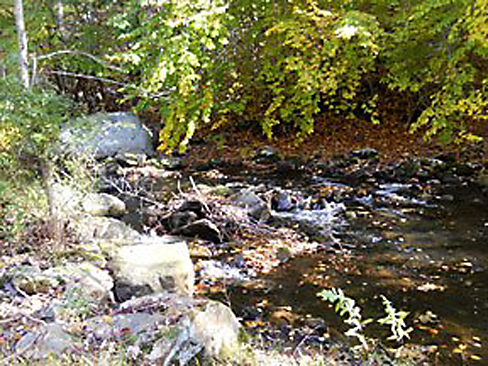
The upper Mill River in Easton, Connecticut is one of the most significant wild trout streams in all of New England. It is exceptionally unique in its characteristic. There is nowhere else in all of New England where you can find a tailwater release Class 1 WTMA (Wild Trout Management Area, containing abundant wild trout and not stocked in more than 5 years) that runs for a few short miles and empties into almost 40 ft. deep thermal refuge. Connecticut Department of Energy & Environmental Protection (DEEP) has realized the streams significance and are in the process of changing the regulations from Rte. 59 down to Lake Mohegan to catch and release only, making the entire upper stretch of the stream from the Easton Reservoir all the way to Lake Mohegan one continuous WTMA.

Just below the reservoir is a 30 acre parcel of land that has been the subject of much debate over the years. The land is presently owned by the Town of Easton who bought the property to save it from a large scale development a few years back. Easton is now looking to recoup the money and allow a smaller scale development. The problem is that there is no city sewer in that area and all of the waste, run-off etc. from any development would need to go into the ground which will eventually pollute the river and kill off a population of brook trout that have thrived in that river since the last glacier.

Please show your support in helping keep the Mill River and the natural habitat that thrive in its’ waters by signing this petition and not allowing any type of development by the State of Connecticut or the Town of Easton.

How you can take become involved and take action:

  1. Follow this link http://www.fishingnortheast.net/connecticut-local-fishing-news/help-save-mill-river-in-easton-connecticut/ to sign the online petition and leave a comment.
  2. Email cfe@citizensforeaston.org to receive updates.
  3. Attend Board of Selectmen meetings (bi-monthy; agendas posted on Town of Easton website)

4. Write the Easton Selectmen: First Selectman Adam Dunsby, adunsby@eastonct.gov; Selectman Scott Centrella, carriecolangelo@optonline.net, Selectman Robert Lessler, rlessler@eastonct.gov and BCC cfe@citizensforeaston.org

Easton selectmen hear passionate pleas to save parcel

With five options on the table for what is to become of the former Running Brook Farm on South Park Avenue, the Board of Selectmen appears to be favoring selling the land to Sacred Heart University for athletic facilities, including a pool and tennis courts that residents could use, according to a story in The Easton Courier.

Easton Courier Photo

Prayer Center future debated

Easton Courier Photo

The future of the prayer center parcel on South Park Avenue in Easton, near the Mill River, will be the subject of multiple meetings this week.

Easton bought the former Running Brook Farm, a 29-acre property on South Park Avenue, in 2008 for $6.1 million.property after approval at referendum to protect it against dense housing development. It is zoned for three-acre single-family homes.

Click here to read more.


Jewish Home wants to buy South Park site

Longtime Easton neighbor the Jewish Home for the Elderly in Fairfield is offering $6.1 million to the town for the former Running Brook Farm, a 29-acre property on South Park Avenue the town bought in 2008 for $6.1 million.

The idea calls for 260 units total, with 200 independent living apartments and a mix of assisted living and skilled nursing spaces. Ten percent of the rental apartments would be reserved for the affordable housing category and would count toward the town’s requirements to provide affordable housing, Banoff said.

Click here to read the full story in The Easton Courier.

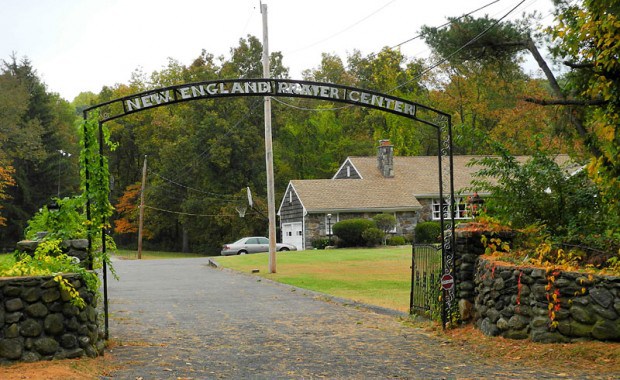
Easton officials are discussing what to do with the Prayer Center, which abuts the Mill River. (Easton Courier Photo)

Easton deliberates future of Prayer Center site

Easton officials are discussing what to do with the Prayer Center, which abuts the Mill River. (Easton Courier Photo)
Easton could make creative use of the South Park property, abutting the Mill River, by leasing it to farmers, one of about 50 residents who attended an informational session members of the Board of Selectmen.

The property is in the news because the New England Prayer Center has until Oct. 8 to exercise an option to buy the property for $5.8 million. If the group does not buy the property, the town is looking for ideas on what to do with it.

The town bought the property to protect it against dense housing development. It is zoned for three-acre single family homes.

To read The Easton Courier story, click here.

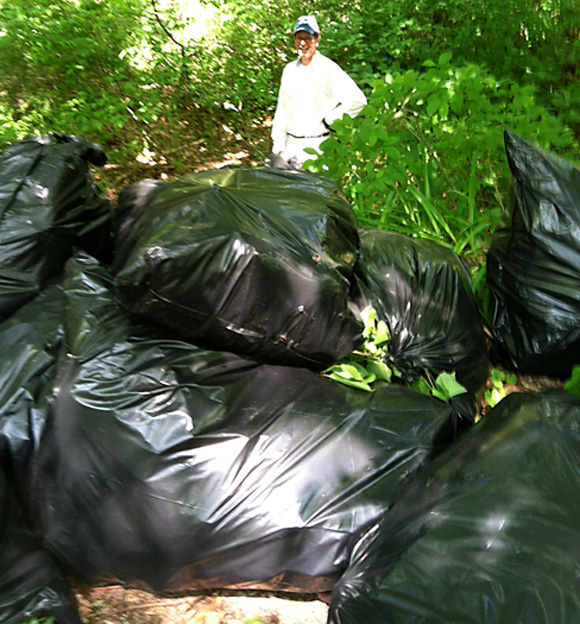
Bob Campbell stacks bags filled with Japanese Knotweed cut and removed from the banks of the Mill River along Congress Street. The nearly 20 bags stacked represent only a few hours work on the project.

Progress on many fronts in Mill River Knotweed removal

Bob Campbell stacks bags filled with Japanese Knotweed cut and removed from the banks of the Mill River along Congress Street. The nearly 20 bags stacked represent only a few hours work on the project.

One of our high-priority goals this year is to take steps to remove invasive Japanese Knotweed where it’s growing along the Mill River so indigenous plants will again line the banks and restore the natural balance of flora and fauna for a healthy stream. We’ve begun with the section flowing along Congress Street in Fairfield because of its concentration of this invasive. Here’s what we’ve done so far:

•    Cut down Knotweed in the biggest growths along the Fairfield side (between the river and Congress St.) from Route 59 downstream (west) to the Congress St. bridge over the river. We have significantly weakened all these growths so their rhizomes and shoots will be more susceptible to controlled herbicide spraying this Fall.

•    Intentionally left selected growths standing as control plots for the upcoming herbicide spraying. This will help us determine the extent cutting is needed going forward vs. spraying only, in our multi-year plan for eradication.

•    Won approval from all(!) eight Easton homeowners on the north bank to help them eradicate knotweed on their properties and cut down the major knotweed growths there. This paves the way for our future collaboration on additional key restoration steps such as improving in-stream structure and sinuosity.

•    Cut down knotweed on the Covenant Church Easton property, having won their support for our efforts.

•   Built/strengthened partnerships with the Fairfield Conservation Department and  Easton Conservation Commission to pursue Knotweed eradication (and other restoration steps) along the Mill.

•    Worked with these departments, the Aspetuck Land Trust and DEEP to determine the best multi-step approach to Knotweed eradication, involving biologically safe herbicide treatment this coming Fall.

•    Begun a plan for free other sections of the Mill from Knotweed incursion, and from other invasive species, building on the work Ross Ogden led for us with the ALT.

So we’ve done a lot with solid results so far, and with more to come! We hope you’ll drive along Congress Street to see how the Knotweed there is weakened and picture how this section of the Mill will look when native plants once again are the only species growing there!